
Your Brakes Usually Give You Some Warning
Brake problems don’t always start with a dramatic warning light or a vehicle that suddenly won’t stop. More often, the signs are smaller. Maybe you hear a squeak backing out of the driveway. The brake pedal feels a little different than it did last month. Or the steering wheel starts shaking when you slow down on the highway.
Those are things worth paying attention to.
If you’re looking for brake service near Rio Rancho NM, knowing the early warning signs can help you deal with a brake issue before it becomes a bigger repair. That’s especially important for drivers who regularly travel between Rio Rancho and Albuquerque, where a normal week can include stop-and-go traffic, highway driving, school runs, and plenty of time behind the wheel.
Your Kia’s brakes are a natural wear item. They aren’t supposed to last forever. The trick is recognizing when they’re telling you it’s time for an inspection.
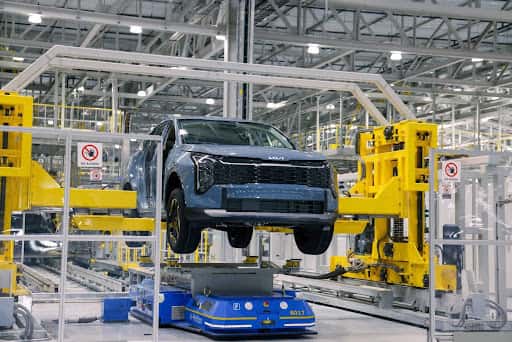
Brake Service Near Rio Rancho NM: 7 Signs Your Kia Should Be Checked
Brake wear varies quite a bit from one driver to another. Someone who spends most of the week cruising on the highway may get a different brake life than a driver who deals with heavy city traffic every day.
Instead of relying only on mileage, pay attention to how your Kia sounds and feels.
Here are seven signs that should get your attention.
1. You Hear Squeaking or Squealing When Braking
A squeak every once in a while doesn’t automatically mean there’s a serious problem. Dust, moisture, and other conditions can occasionally cause brake noise.
Consistent squealing is different.
Many brake pads are designed to make noise as they wear down. That sound can be an early warning that the pads are getting close to replacement time. If the squealing happens almost every time you use the brakes, don’t just turn up the radio and hope it disappears. Have them inspected. Catching worn pads early may also help protect other braking components from unnecessary wear.
2. You Hear a Grinding Sound
Grinding is harder to ignore, and you shouldn’t.
If you hear a harsh metal-on-metal sound when pressing the brake pedal, the brake pads may be severely worn or another component may need attention.
At this point, continuing to drive can potentially damage additional brake components.
This is one of those situations where waiting usually doesn’t make anything cheaper. Schedule an inspection as soon as possible.
3. The Brake Pedal Feels Different
You drive your Kia enough to know how the pedal normally feels.
Trust that familiarity.
If you suddenly have to push the pedal farther toward the floor, it feels unusually soft, or braking doesn’t feel as responsive as usual, something may have changed in the system.
Possible causes can vary, which is why diagnosing the problem matters more than guessing.
A noticeable change in pedal feel deserves prompt professional attention.
4. Your Kia Pulls to One Side While Braking
When you brake on a straight, level road, your vehicle should generally continue tracking straight.
If it consistently pulls left or right when you press the brake pedal, have it checked.
Uneven braking can have several causes. It might involve brake wear, a caliper, tires, alignment, or another component.
Whatever the cause, pulling while braking isn’t something you want to get used to.
5. The Steering Wheel Shakes When You Slow Down
A vibrating steering wheel can be easy to dismiss at first.
Maybe you only notice it when slowing down from highway speed. Then, over time, the vibration becomes harder to miss.
Brake-related vibration may be associated with the rotors or other components in the braking system. It can also have causes unrelated to the brakes, so an inspection is the best way to figure out what’s actually happening.
For drivers regularly traveling between Rio Rancho and Albuquerque, highway braking can make this symptom particularly noticeable.
6. Your Brake Warning Light Comes On
Dashboard warning lights are there for a reason.
Depending on your Kia, a brake-related warning could indicate anything from the parking brake being engaged to a problem requiring professional attention.
Start with the obvious things, such as making sure the parking brake is fully released. If the warning stays illuminated or you’re unsure what it means, check your owner’s manual and arrange for service.
A warning light combined with unusual braking behavior should be taken seriously.
7. It Takes Longer to Stop
This may be the most important sign of all.
If your Kia simply doesn’t seem to stop the way it used to, don’t wait for another symptom.
You might notice yourself pressing harder on the pedal or beginning to brake earlier than normal. Perhaps the vehicle just feels less confident when slowing down.
Those changes can happen gradually, which makes them surprisingly easy to overlook.
If something feels wrong, get it checked.
Why New Mexico Driving Can Be Hard on Brakes
Driving conditions have a big impact on brake wear.
Around Albuquerque and Rio Rancho, your typical week might include crowded intersections, freeway traffic, long stretches of highway, summer heat, and occasional trips into higher elevations.
Frequent stopping naturally puts more demand on the braking system. Hills can also generate additional heat when drivers rely heavily on the brakes during descents.
That’s why there’s no single mileage number that tells every Kia owner exactly when brake pads will need replacement.
Your driving habits matter.
Instead of waiting for a certain number on the odometer, combine your Kia’s recommended maintenance guidance with how the vehicle actually feels.
Don’t Wait for the Brakes to Get Loud
One mistake drivers make is assuming brakes don’t need attention until they’re making a terrible noise.
That’s not necessarily true.
A brake inspection can identify wear before you reach that point. During an inspection, technicians can evaluate components such as brake pads, rotors, and other parts of the braking system.
This is where routine service pays off.
Having the brakes looked at during regular maintenance gives you a chance to learn how much life remains instead of discovering a problem during a busy Monday morning.
For many Kia owners, scheduling brake service near Rio Rancho NM before symptoms become severe is simply easier than dealing with an unexpected repair later.
Why Have Your Kia Serviced at a Kia Dealership?
There are plenty of places that work on brakes, so why consider a Kia dealership?
One advantage is familiarity with the vehicle.
Kia-trained technicians work with Kia models regularly and have access to service information and diagnostic equipment intended for these vehicles. If replacement parts are needed, a dealership can also provide genuine Kia parts designed for the specific model.
That’s useful whether you drive a Kia Sportage, Kia Telluride, Kia Sorento, Kia K4, Kia Carnival, Kia Seltos, or another Kia model.
Drivers from Rio Rancho can visit Fiesta Kia, 7400 Lomas Blvd, Albuquerque, NM 87110, for Kia maintenance and brake inspections.
A Few Brake Habits That Can Help
You can’t prevent normal brake wear, but your driving habits can make a difference.
Leave enough following distance so you aren’t constantly hitting the brakes. Look farther down the road and slow gradually when traffic is stopping. Avoid carrying unnecessary heavy items around in the vehicle for months at a time.
When traveling downhill, follow the recommendations in your Kia owner’s manual rather than continuously riding the brakes.
And most importantly, don’t ignore a new noise or change in braking feel just because the vehicle still stops.
Early attention is usually the easier option.
FAQ: Kia Brake Service Near Rio Rancho NM
How do I know if my Kia needs new brake pads?
Common signs include persistent squealing, grinding, reduced braking response, or changes in pedal feel. The most reliable way to determine brake pad condition is to have the braking system inspected.
How often should Kia brakes be inspected?
Brake inspection intervals can depend on your model, mileage, maintenance schedule, and driving conditions. Follow the recommendations for your specific Kia and have the brakes checked sooner if you notice unusual symptoms.
Why does my Kia shake when I brake?
Vibration during braking can have several causes, including issues involving brake rotors or other vehicle components. A technician can inspect the vehicle and identify the source rather than guessing based on the symptom alone.
Is it safe to drive when my brakes are grinding?
Grinding can indicate significant brake wear or another problem that needs immediate attention. Continuing to drive may affect braking performance or damage additional components. Arrange for professional service promptly.
Where can I get brake service for my Kia near Rio Rancho?
Drivers looking for brake service near Rio Rancho NM can visit Fiesta Kia, 7400 Lomas Blvd, Albuquerque, NM 87110, for brake inspections, maintenance, and repairs.
Why should I use a Kia dealership for brake repair?
A Kia dealership offers technicians familiar with Kia vehicles, access to Kia-specific service information, diagnostic equipment, and genuine Kia replacement parts when needed.
Don’t Ignore What Your Kia Is Telling You
Brakes have a pretty simple job, but it’s arguably the most important job on your vehicle.
Listen when something changes.
A new squeal, strange vibration, softer pedal, warning light, or longer stopping distance doesn’t necessarily mean you’re facing a major repair. It does mean the vehicle deserves a closer look.
If you’re noticing any of these signs and need brake service near Rio Rancho NM, you can bring your Kia to Fiesta Kia, 7400 Lomas Blvd, Albuquerque, NM 87110.
Getting the brakes checked now is a lot better than finding out how worn they are when you really need them.

No comments:
Post a Comment